FAMOUS DISHES – The Mathematics behind it!


Let’s turn these famous dishes into engaging math lessons with historical insights. Each lesson will highlight a real-world math concept tied to the dish’s ingredients and history.


1. Pizza Margherita (Italy)


Image by PublicDomainImages from Pixabay

Historical Note


Pizza Margherita was created in Naples, Italy, in 1889, inspired by the Italian flag’s colors. Tomatoes, originally from South America, arrived in Europe during the Columbian Exchange.

Math Lesson

mathemagician

Ratios


The recipe calls for 3 parts flour


1 part mozzarella


2 parts tomato sauce.


If you have 600g of flour, how much mozzarella and tomato sauce will you need?

- Mozzarella: \(\frac{600}{3} \times 1 = 200g\)
- Tomato sauce: \(\frac{600}{3} \times 2 = 400g\)

Conversions


Convert 600g of flour into pounds (1g ≈ 0.0022lbs).

- \(600g \times 0.0022 = 1.32lbs\).

Geometry


If the pizza is a circle with a radius of 12 inches, calculate its area using \(A = \pi r^2\).

- \(A = \pi \times 12^2 = 452.4 \, \text{square inches}\).


2. Sushi (Japan)


Image by Kevin Petit from Pixabay

Historical Note:

Sushi originated in Japan as a method to preserve fish in fermented rice.It became a global phenomenon after World War II.

Math Lesson

Proportions

Image by congerdesign from Pixabay


A sushi roll uses 120g of rice


50g of fish,


                                                              10g of seaweed


If you want to make 8 rolls, how much of each ingredient do you need?


- Rice: \(120g \times 8 = 960g\)


- Fish: \(50g \times 8 = 400g\)


- Seaweed: \(10g \times 8 = 80g\)

Fractions

If one roll has 12 slices, what fraction of the total ingredients is in each slice?

- Rice: \(\frac{120g}{12} = 10g\) per slice.

Travel Distance

Calculate the journey of tuna from the Pacific Ocean to Tokyo, a distance of 7,500 miles.

If the shipment travels at 500 miles per day, how long does it take?

- \( \frac{7500}{500} = 15 \, \text{days}\).

3. Tacos (Mexico)

Free Mango Catfish Taco Taco photo and picture

Historical Note

Tacos have roots in ancient Mexico, where indigenous people used corn tortillas as edible plates. Chili and lime were introduced to the world through trade networks.

Math Lesson

Ratios

The recipe for tacos uses

Image by Bruno from Pixabay

3 cups of corn flour


Image by Abbat from Pixabay

1 cup of water,


½ cup of lime juice.

If you have 9 cups of corn flour, calculate the other ingredients needed.

- Water: \(\frac{9}{3} \times 1 = 3 \, \text{cups}\)
- Lime juice: \(\frac{9}{3} \times \frac{1}{2} = 1.5 \, \text{cups}\)

Geometry

Corn tortillas are circular. If the diameter of one tortilla is 15cm, calculate its circumference using \(C = \pi d\).

- \(C = \pi \times 15 = 47.1 \, \text{cm}\).

Trade Costs

If shipping avocados from Mexico to the U.S. costs $200 for 1,000 avocados, what is the cost per avocado?

- \( \frac{200}{1000} = $0.20 \, \text{per avocado}\).

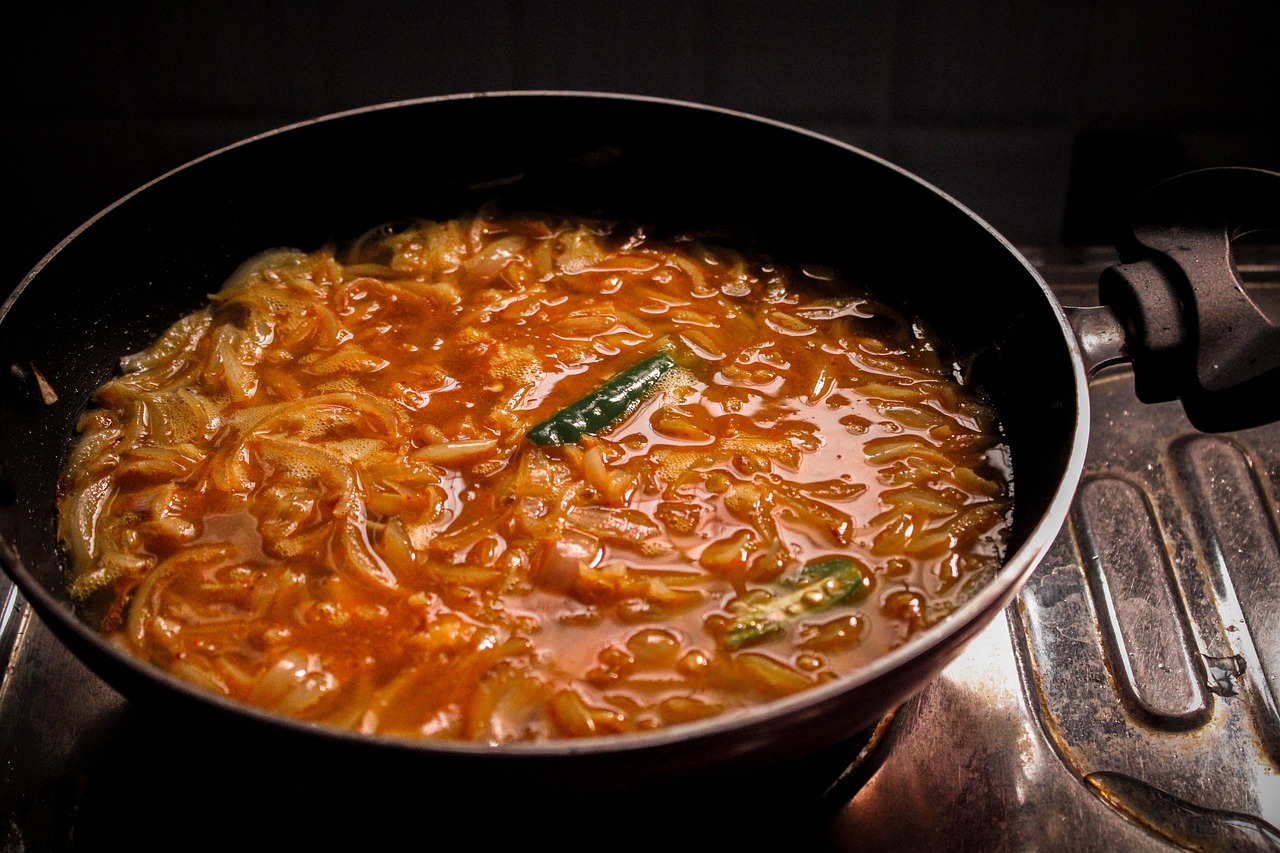
4. Curry (India)

Free Food Photography Curry photo and picture

Historical Note

Curry reflects India’s vibrant culinary heritage. Spices like turmeric and cumin became globally popular during the Spice Trade in the 15th century.

Math Lesson

Proportions:

A curry recipe uses 2 parts rice, 3 parts vegetables, and 1 part spices.

If you have 500g of vegetables, calculate the rice and spices needed.

- Rice: \(\frac{500}{3} \times 2 = 333.3g\)
- Spices: \(\frac{500}{3} \times 1 = 166.7g\)

Conversions:

Convert 500g of rice to kilograms

(1kg = 1,000g).
- \( \frac{500}{1000} = 0.5 \, \text{kg}\).

Time Zones:

Calculate the time difference for spices shipped from India (UTC +5:30) to London (UTC +0:00).

- Time difference: \(5.5 \, \text{hours ahead}\).

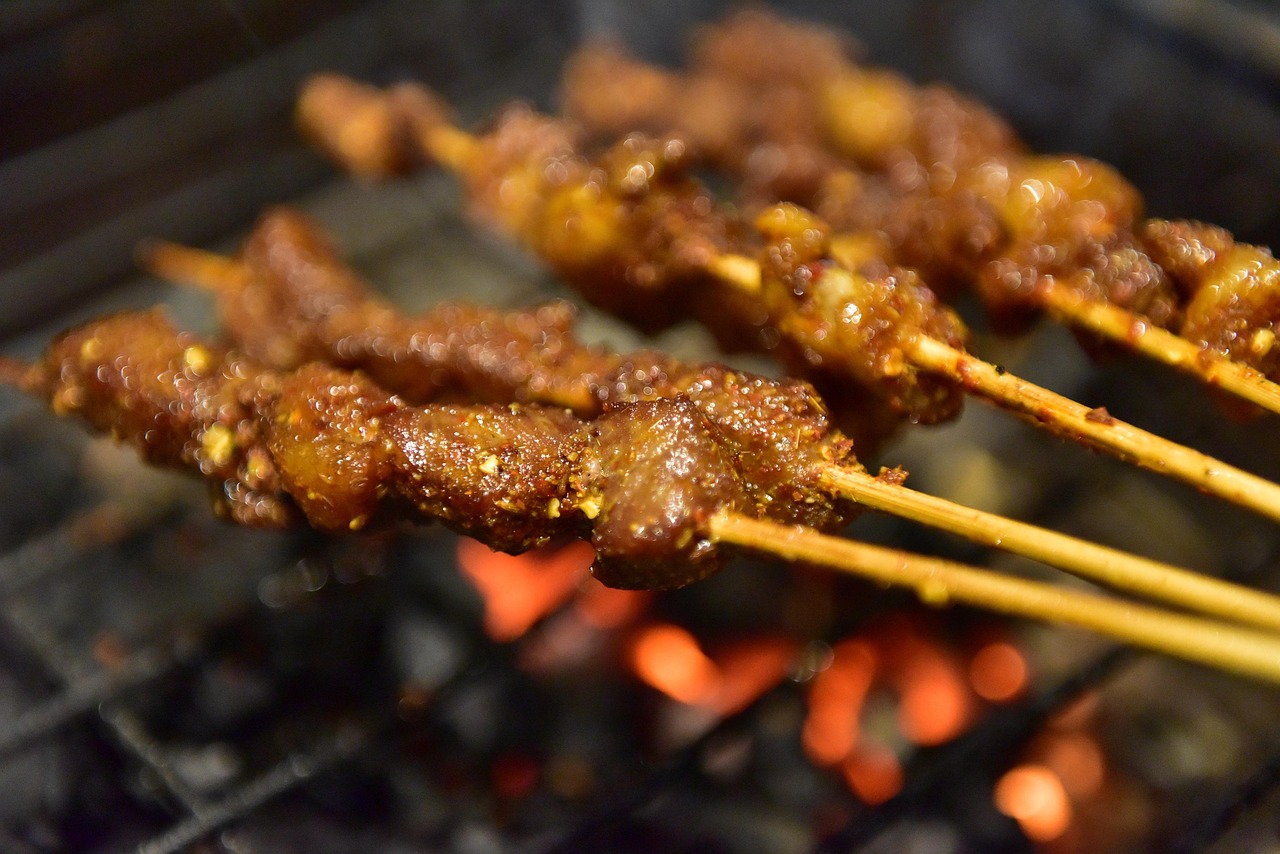
5. Asado (Argentina)

Free Supper Barbecue photo and picture

Historical Note:

Asado, a beloved Argentinian barbecue, celebrates the country’s cattle-farming traditions. Beef from grass-fed cattle is a hallmark of the dish.

Math Lesson

Ratios:

The recipe uses 1kg of beef

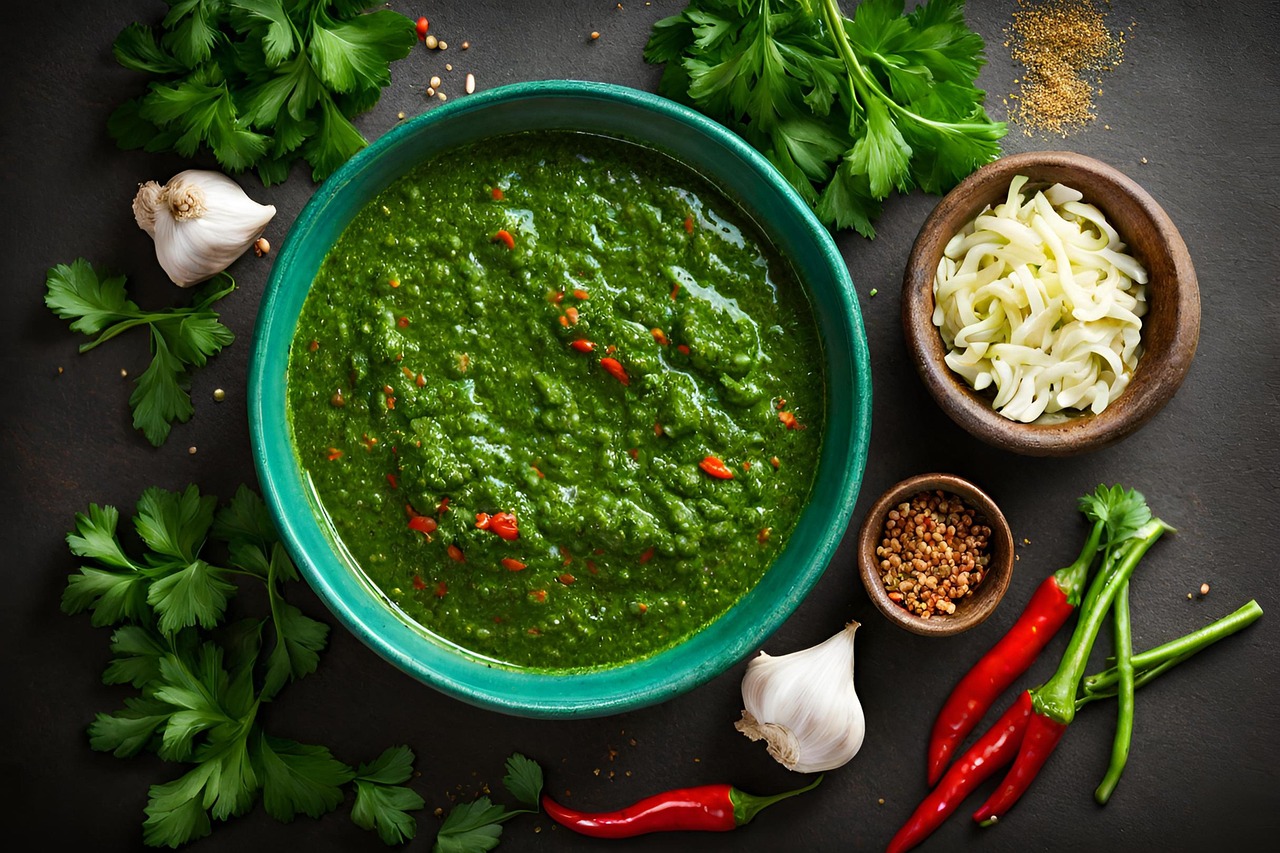
Free Chimichurri Sauce Bowl photo and picture

200ml of chimichurri

If you have 2.5kg of beef, calculate the chimichurri and salt needed.

mathemagician

- Chimichurri: \( \frac{2.5}{1} \times 200 = 500 \, \text{ml}\)
- Salt: \( \frac{2.5}{1} \times 10 = 25g\).

10g of salt.

Fractions

If 1kg of beef serves 4 people, what fraction of the total ingredients does one person get?

– Beef: \( \frac{1}{4} = 0.25 \, \text{kg per person}\).

Distance

If beef is shipped 5,000 miles from Argentina to Europe, calculate the shipping cost per mile for a $1,500 shipment.

- \( \frac{1500}{5000} = $0.30 \, \text{per mile}\).

Each lesson combines geography, history, and math, offering students a global perspective while sharpening their skills.


Shall we expand on one of these or explore another type of lesson? 🍴📚🌍

Leave a Reply

Your email address will not be published. Required fields are marked *